 (929) 333-4878

Aggressive Legal Representation for Victims Injured by Unsafe Buildings, Sidewalks, Stores, Apartments and Other Dangerous Properties.
Experienced Slip, Trip, and Fall
Accident Attorneys in New York
Holding Negligent Property Owners Accountable for Serious Injuries
 (929) 333-4878
Helping Injury Victims Hold Property Owners Accountable
A slip, trip, or fall accident can happen without warning and lead to serious injuries that affect your health, your work, and your daily routine. Many people face long recovery times after a fall, along with growing medical bills and lost income. AH Law P.C. represents clients throughout Long Island and New York State who were injured because a property owner failed to maintain safe conditions. We focus on helping you recover compensation so you can move forward with confidence.
Common Causes of Slip, Trip, and Fall Accidents
Property owners must take reasonable steps to keep their premises safe for visitors. When they ignore hazards or delay repairs, accidents occur. Hazards that commonly lead to slip and trip accidents include:
Our attorneys examine the scene of your accident and identify the conditions that caused your fall. We gather evidence to show that the property owner knew or should have known about the danger.
What You Should Do After a Slip or Trip Accident
Taking the right steps after a fall can protect both your health and your legal rights. Many clients are unsure of what to do at the moment, but a few key actions can make a difference.
Proper documentation helps strengthen your claim and supports your case if you pursue compensation. Money can be awarded for damages such as medical expenses, ongoing care, lost wages, reduced earning ability, and pain and suffering.
We work to ensure your claim reflects the true impact the accident has had on your life.

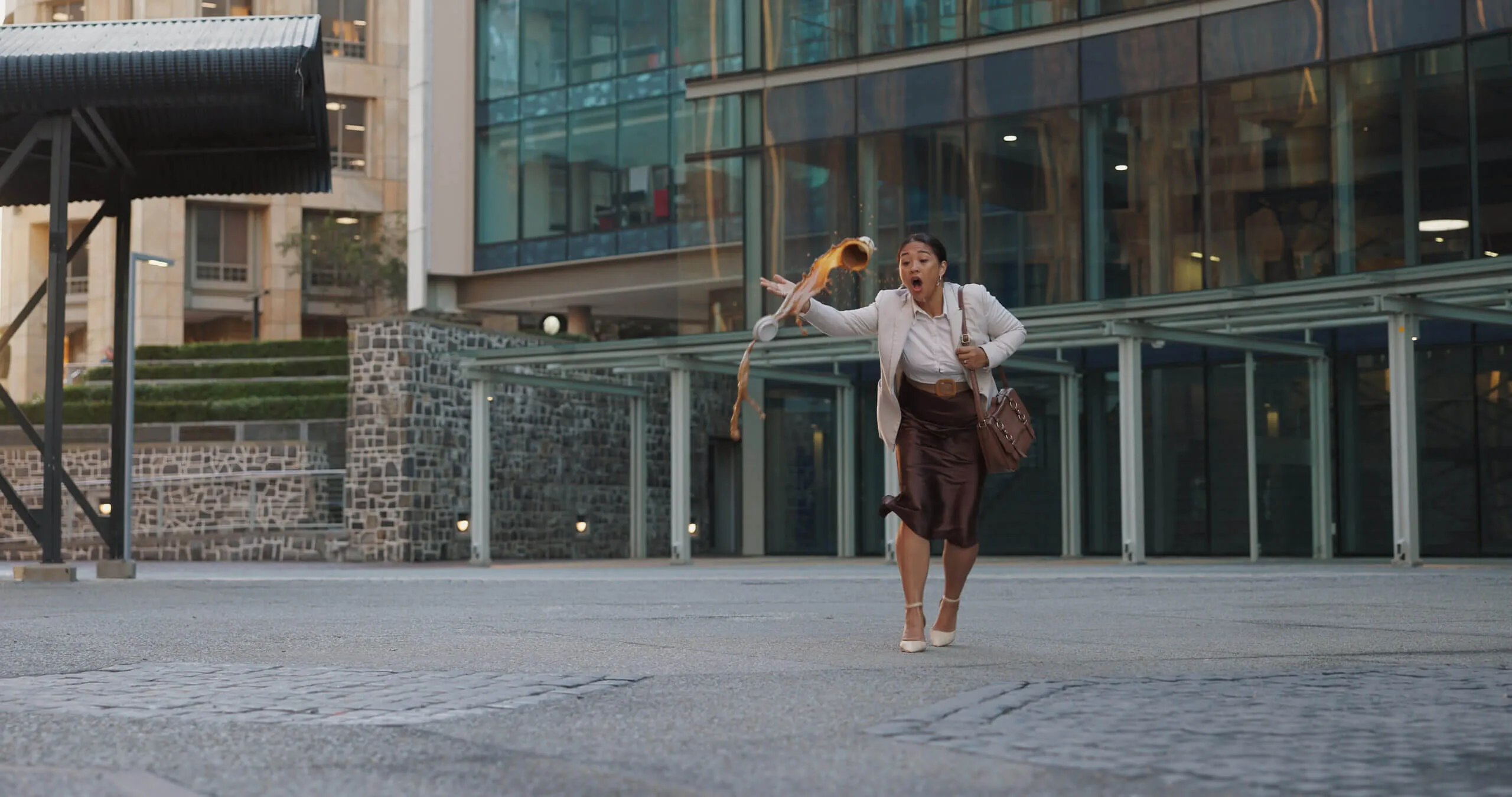
What is the Basis for a Slip and Trip Claim?
To receive compensation, you must prove that another person’s negligence caused your fall. Evidence plays a major role in showing exactly what happened. Our team gathers photos of the hazard, witness accounts, and any available footage to support your claim. We also use medical records to show how the injury has affected your life. Proving a property owner is responsible can be difficult. Many owners claim they did not know about the danger or argue that you were partly at fault. Insurance companies often try to reduce or deny valid claims to protect their bottom line. AH Law P.C. works to protect your interests and handle every aspect of your case so you are not dealing with this process alone.
To have a valid legal case, we generally must prove the following:
Duty of Care
The property owner had a legal responsibility to keep the area safe or warn visitors about known dangers.
Hazardous Conditions
A dangerous condition existed, such as a wet floor, broken pavement, or poor lighting.
Notice
The owner knew or should have known about the hazard and failed to fix it in a reasonable time.
Causation
The hazard directly caused your fall and resulting injuries.
Damages
You suffered real losses, including medical expenses, lost income, and pain.
Why Choose AH Law P.C.?
AH Law P.C. provides personalized legal representation for injury victims. We understand how disruptive a fall can be and take the time to listen to your concerns. Our firm works on a contingency fee basis, so you do not pay legal fees unless we recover compensation for you. We keep you informed throughout your case and provide clear guidance at every step. Contact AH Law P.C. today for a free consultation and learn how we can help you pursue the compensation you deserve after a slip and trip accident.
Frequently Asked Questions
Slip, Trip, and Fall Liability
Slip, trip, and fall accidents are common personal injury claims that often revolve around the concept of premises liability.
Here are three frequently asked questions to help clarify the legal aspects of these incidents:
A slip happens when there is too little traction, such as on a wet or icy surface, usually causing a backward fall. A trip occurs when your foot hits an obstacle or uneven surface, like a loose rug or pothole, typically resulting in a forward fall.
Liability is established by proving the owner created the hazard, knew about it, and did nothing, or should have reasonably discovered it through routine maintenance. Evidence like photos, incident reports, and witness statements are essential to prove this negligence.
Yes, under the rule of comparative negligence, you can often still recover damages even if you were distracted or ignored a warning sign. Your final compensation amount will simply be reduced by the percentage of fault assigned to you for the accident.